
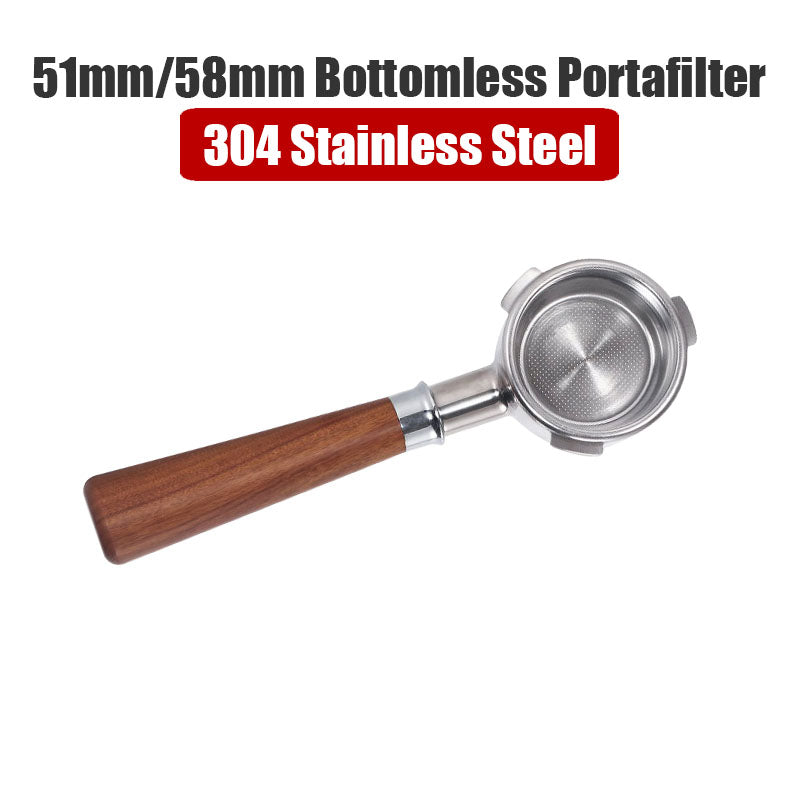
58mm Portafilter Guide: How to Choose the Right Espresso Handle for Your Coffee Machine
If you're new to semi-automatic espresso machines, you've probably come across the term "58mm portafilter." As the standard choice for many commercial espresso machines and mid-to-high-end home espresso machines, 58mm is more than just a measurement. It's an important part of achieving professional-style espresso extraction.
But what does 58mm actually mean? Does portafilter size affect espresso quality? And how do you choose the right portafilter, basket, and tamper for your machine?
In this guide, we'll break down everything beginners need to know about 58mm portafilters, helping you understand the differences and choose the right accessories for your espresso setup.
1. Understanding the Basics: Why 58mm?
1.1 Nominal Size vs. Actual Dimensions
When shopping for a portafilter, you'll commonly see sizes such as 58mm, 54mm, and 51mm.
Here's what these measurements mean:
-
Nominal 58mm Size: The 58mm measurement generally refers to the nominal internal diameter of the filter basket.
-
Actual Manufacturing Tolerances: The actual dimensions of a filter basket and its mating components may vary slightly depending on the manufacturer and design. Precision manufacturing is important to ensure proper fit and reliable espresso extraction.
-
A Beginner's Tip: 58mm, 54mm, and 51mm portafilters are not interchangeable. Before purchasing an upgrade, such as a bottomless portafilter or precision filter basket, always check your espresso machine's group head specifications.

A portafilter must match not only the basket diameter but also the group head's locking ears, thickness, and locking geometry.
For example, even two portafilters designed for 58mm baskets may not fit the same espresso machine.
2. The Secret to Better Extraction: Basket Size and Coffee Dose
The filter basket plays an important role in espresso extraction. Its diameter, depth, and capacity all influence how coffee grounds are distributed and how water flows through the coffee puck.
2.1 Why a Wider and Shallower Coffee Puck Can Be Beneficial
Compared with some narrower and deeper 51mm or 54mm baskets, a 58mm basket provides a wider brewing area.
This can offer several practical advantages:
-
More Even Water Distribution: A wider basket creates a different puck geometry, which may help distribute water more evenly when paired with proper puck preparation.
-
More Consistent Preparation: The wider working area can make techniques such as distributing and tamping coffee grounds more comfortable for many users.
-
Greater Flexibility: A 58mm ecosystem offers a broad selection of compatible accessories, including precision baskets, tampers, and distribution tools.
However, basket diameter alone does not guarantee better extraction. Grind size, dose, distribution, tamping, and machine performance remain essential.
2.2 Recommended Filter Basket Capacities
For a typical double-shot basket, the following dose ranges are useful starting points:
-
Double-Shot Basket: Usually designed for approximately 18–20g of ground coffee. This is a common dose range in specialty coffee preparation.
-
Single-Shot Basket: Generally accommodates around 8–12g of coffee, although single-shot extraction can require more careful dialing in.
Buying Tip:
Don't focus on diameter alone. Basket depth is equally important.
If you prefer darker roasts or larger doses above 20g, consider a deeper basket specifically designed for higher coffee doses.
If your everyday recipe uses approximately 18g of coffee, a standard-depth double basket will generally be sufficient.
Always follow the recommended dose range for your specific basket.
3. Choosing the Right Tamper: A Small Difference Matters
A tamper is one of the most important accessories to pair with your portafilter.
Its diameter should closely match the internal diameter of your filter basket.
Recommended Tamper Size
For a nominal 58mm basket, precision tampers are commonly available in sizes around 58.0–58.5mm, depending on the basket's actual internal dimensions.
Choosing the wrong size can cause two common problems.
If the Tamper Is Too Small:
For example, a 57.5mm tamper used in a basket with a larger internal diameter may leave a ring of untamped coffee grounds around the edges.
This can create uneven puck density and potentially contribute to edge channeling during extraction.
If the Tamper Is Too Large:
For example, a 58.55mm tamper may get stuck against the upper edge of the basket, making it difficult or impossible to tamp the coffee puck properly.
Our Recommendation:
Choose a precision tamper based on the actual internal diameter of your filter basket, rather than relying only on the nominal 58mm label.
A properly fitted tamper helps create a more even coffee puck and supports more consistent espresso preparation.
4. Portafilter Weight, Materials, and Ergonomics
A well-designed portafilter is about more than appearance. Its construction, weight, and handle design all influence everyday usability.
4.1 Weight and Thermal Stability
A quality 58mm portafilter often weighs approximately 400–500g, although the actual weight varies depending on its construction and handle material.
A heavier metal body generally has greater thermal mass, allowing it to retain heat more effectively when properly preheated.
Maintaining a stable portafilter temperature can help reduce unnecessary heat loss during brewing.
4.2 Material Selection
Common portafilter materials include:
-
Stainless Steel: Durable, corrosion-resistant, and easy to maintain.
-
Chrome-Plated Brass: Offers good thermal mass and is commonly used in traditional espresso equipment.
The handle itself may be made from different materials, including:
-
Natural wood.
-
Engineering-grade plastic.
-
Heat-resistant silicone.
Each material offers a different balance of appearance, durability, grip, and maintenance requirements.
4.3 Ergonomic Handle Design
Handle design also affects comfort and control.
Many portafilters feature handles approximately 10–15cm long, although dimensions vary by model.
Some ergonomic designs use an angled handle, often around 45 degrees, to help the portafilter sit steadily on a countertop during coffee distribution and tamping.
A comfortable grip can also make it easier to lock the portafilter into the group head without unnecessary wrist strain.
When choosing a portafilter, look for a handle that feels balanced, comfortable, and secure in your hand.
5. Spouted vs. Bottomless Portafilter: Which One Should You Choose?
One of the most important decisions when upgrading your espresso setup is choosing between a traditional spouted portafilter and a bottomless portafilter.
Both have their advantages, and the right choice depends on your experience and brewing preferences.
5.1 Spouted Portafilter (Single or Double Spout)
A traditional spouted portafilter features one or two outlets underneath the filter basket.
Key Features:
-
Coffee flows through the spout or spouts before reaching your cup.
-
A double-spout design can distribute espresso into two separate cups.
-
The enclosed bottom helps reduce splashing during extraction.
Advantages:
-
Easier to use for beginners.
-
Less mess when puck preparation is not perfectly consistent.
-
Convenient for preparing one or two espresso servings.
-
Suitable for everyday home and commercial use.
If you're just starting your espresso journey, a spouted portafilter is a practical and forgiving option.
5.2 Bottomless Portafilter (Naked Portafilter)
A bottomless portafilter removes the traditional metal base and spouts, exposing the bottom of the filter basket.
This allows you to observe the espresso extraction process directly.
Key Features:
-
No traditional spouts or enclosed bottom.
-
Direct visibility of espresso flowing from the filter basket.
-
Makes it easier to identify uneven extraction and channeling.
Advantages:
-
An excellent diagnostic tool for improving espresso preparation.
-
Helps you observe whether espresso flows evenly across the basket.
-
Makes channeling, spraying, and uneven flow easier to identify.
-
Ideal for coffee enthusiasts looking to improve their distribution and tamping techniques.
Potential Drawbacks:
If your coffee distribution or tamping is uneven, espresso may spray in different directions, creating a mess around your coffee station.
A bottomless portafilter can also reveal puck preparation problems that may otherwise go unnoticed.
Which One Should You Choose?
If you're a beginner, start with a traditional spouted portafilter for easier everyday brewing.
If you already understand the basics of grinding, distribution, and tamping, a bottomless portafilter is a useful upgrade for monitoring extraction and improving your technique.
Many experienced home baristas keep both options available for different brewing situations.
6. Portafilter Maintenance and Care Tips
Taking care of your portafilter is just as important as choosing the right one.
Here are three simple maintenance tips to help keep your coffee accessories in good condition.
1. Measure Before Buying Third-Party Accessories
Before upgrading to a third-party portafilter, basket, or tamper, check your original equipment specifications.
A digital caliper can help you measure the filter basket's internal diameter and confirm whether it matches the accessory you're planning to purchase.
Remember that basket diameter alone does not determine portafilter compatibility. Also check the group head locking ears, thickness, and overall design.
2. Take Care of Wooden Handles
If your portafilter features a natural wooden handle, avoid putting it in the dishwasher or soaking it in water for extended periods.
Excessive moisture and heat can cause natural wood to dry out, crack, or deteriorate.
Instead:
-
Wipe the handle with a soft, slightly damp cloth.
-
Dry it thoroughly after cleaning.
-
Periodically apply food-safe mineral oil or an appropriate wood-care finish to help maintain its appearance.
Always follow the handle manufacturer's care recommendations.
3. Clean Metal Components Regularly
Stainless steel and chrome-plated brass components should be rinsed and cleaned after daily use.
Coffee oils can accumulate on the portafilter and filter basket over time, potentially affecting the flavor of future espresso shots.
For deeper cleaning:
-
Remove the filter basket when necessary.
-
Use an espresso machine cleaning detergent according to its instructions.
-
Clean away accumulated coffee oils and residue.
-
If your machine supports backflushing, follow the manufacturer's recommended cleaning schedule.
Keeping your portafilter clean helps maintain good hygiene and preserves the quality of your espresso.
Final Thoughts: Choose the Right Portafilter for Better Espresso
Choosing a portafilter may seem simple, but understanding its size, basket capacity, material, and design can make a real difference to your espresso experience.
For beginners, a compatible 58mm spouted portafilter is a practical starting point if your machine supports that specification.
As your skills develop, you can explore precision baskets, better-fitting tampers, and bottomless portafilters to gain more control over your extraction.
Most importantly, always check compatibility with your espresso machine before purchasing any accessory.
The right portafilter isn't just an upgrade. It's an important part of building a better espresso routine.
Frequently Asked Questions About Espresso Portafilters
1. Is a 58mm portafilter better than a 51mm portafilter?
A 58mm portafilter offers a wider filter basket and access to a broad range of professional-style espresso accessories. However, neither size is automatically better for every machine. Extraction quality also depends on basket design, grind size, coffee dose, and puck preparation.
2. Are 51mm, 54mm, and 58mm portafilters interchangeable?
No. These sizes are not interchangeable. Always check your espresso machine's group head specifications and portafilter locking design before purchasing a replacement.
3. What size tamper do I need for a 58mm portafilter?
For a 58mm filter basket, a precision tamper is commonly available in sizes around 58.0–58.5mm. The correct size depends on the actual internal diameter of your filter basket.
4. What is the difference between a spouted and bottomless portafilter?
A spouted portafilter directs espresso through one or two outlets, helping reduce splashing. A bottomless portafilter exposes the bottom of the basket, allowing you to observe extraction and identify potential channeling.
5. Is a bottomless portafilter suitable for beginners?
Yes, but it requires more attention to coffee distribution and tamping. Beginners may find a spouted portafilter easier to use for everyday brewing, while a bottomless version can help develop better extraction techniques.
6. How do I maintain a wooden portafilter handle?
Avoid soaking wooden handles or putting them in the dishwasher. Clean with a soft cloth, dry thoroughly, and periodically use a suitable food-safe wood-care product according to the manufacturer's recommendations.




اترك تعليقًا
تخضع جميع التعليقات للإشراف قبل نشرها.
This site is protected by hCaptcha and the hCaptcha Privacy Policy and Terms of Service apply.