
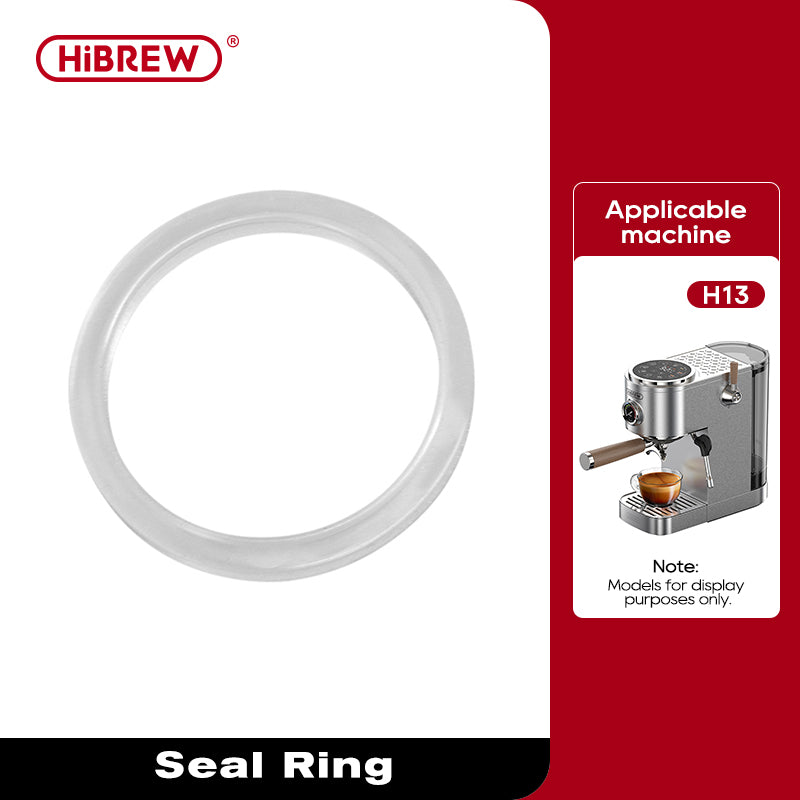
When it comes to getting the perfect espresso shot, most coffee enthusiasts focus on coffee bean quality, grinder retention, water temperature, and water quality. However, there's one small but essential component inside your espresso machine that often gets overlooked: the group head gasket.
This small sealing ring works quietly behind the scenes, handling high temperatures and pressure every time you pull a shot.
If you've noticed that your portafilter feels different when locking into place, water starts leaking around the group head during extraction, or your pressure gauge behaves unusually, your group head gasket may be showing signs of wear.
So, how long does an espresso machine gasket actually last? Why does it wear out, and how can you tell when it's time for a replacement?
Let's break it down.
1. How Long Does an Espresso Machine Gasket Last?
An espresso machine gasket is a frequently used wear component, which means it doesn't last forever. Its actual lifespan depends largely on how often you use your machine and how well you maintain it.
As a general guideline:
-
Home Use: Typically around 6–12 months. With proper maintenance and relatively light use, a gasket may last as long as 1–2 years.
-
Commercial Use: For high-volume coffee shops and busy commercial environments, replacement every 3–6 months is generally recommended to help prevent unexpected leaks and downtime during peak hours.
These are estimated replacement intervals rather than strict deadlines. Actual gasket lifespan varies depending on the material, machine design, brewing frequency, and maintenance routine.
2. Why Do Espresso Machine Gaskets Wear Out So Quickly?
Rubber and silicone materials are naturally flexible, but the demanding operating environment inside an espresso machine puts them under constant stress.
Here are five major factors that can shorten the lifespan of your group head gasket.
2.1 Physical Wear from High Temperatures and Pressure
During espresso extraction, the group head is exposed to hot water, typically above 90°C, while brewing pressure is generally around 9 bars.
Repeated exposure to high temperatures and pressure, combined with constant heating and cooling cycles, gradually causes gasket materials to deteriorate.
Over time, the gasket may lose its elasticity, become harder and more brittle, or develop cracks. Once it can no longer maintain its original shape and flexibility, its sealing performance starts to decline.
2.2 Chemical Deterioration from Coffee Oils
Espresso contains natural coffee oils that accumulate around the group head during daily use.
If these residues are not cleaned regularly, they can build up on the gasket surface and inside the surrounding grooves.
Over time, accumulated coffee oils and cleaning-related residue can contribute to surface deterioration, sticky deposits, and poor sealing performance.
Regular cleaning is essential to prevent buildup and keep your group head gasket in good condition.
2.3 Physical Wear from Limescale and Coffee Residue
Hard water can leave mineral deposits inside your espresso machine, while fine coffee grounds often collect around the edges of the group head.
These deposits can interfere with the gasket's sealing surface.
When you repeatedly lock and twist the portafilter into place, trapped coffee particles may create additional friction and abrasion against the gasket.
Over time, the combined effects of mineral buildup and coffee residue can compromise the sealing area and increase the risk of leakage.
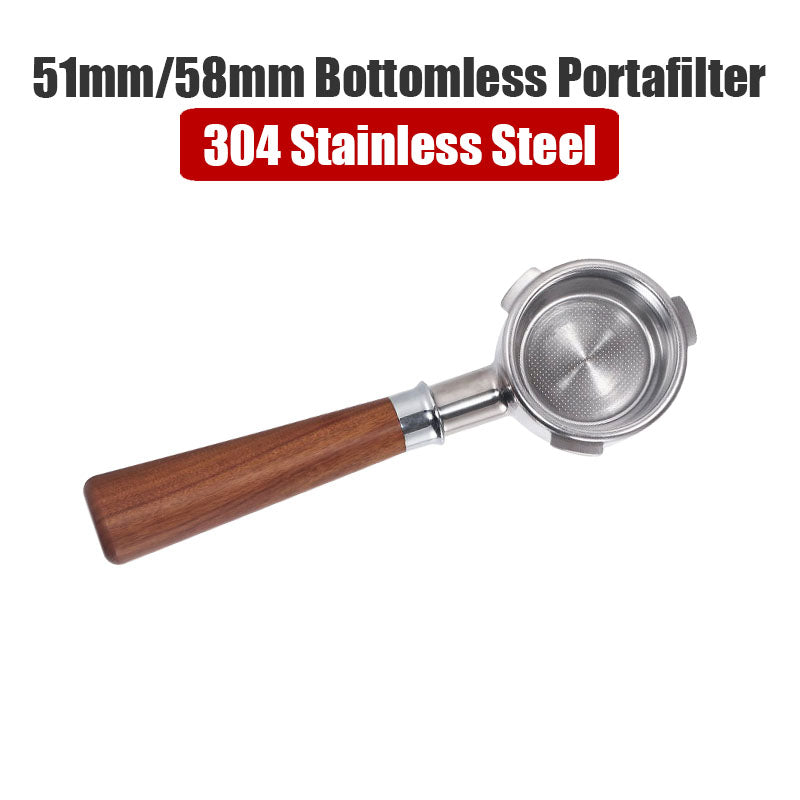
2.4 Excessive Force from an Incompatible Portafilter
Using an incompatible portafilter can cause more damage than you might expect.
Differences in portafilter ear thickness, locking angle, slot geometry, or diameter can prevent the handle from fitting correctly.
Forcing an incompatible portafilter into the group head can create uneven pressure on the gasket, leading to excessive compression, deformation, and shear damage. This can significantly shorten the gasket's service life.
More importantly, the abnormal mechanical stress caused by forcing the handle into place may also damage other internal components, including the group head locking slots and shower screen retaining hardware.
In severe cases, these components may crack or break under excessive force.
Never force a portafilter into your espresso machine. Always check compatibility before use to protect both the gasket and the group head assembly.
2.5 Natural Aging of Gasket Materials
Like other rubber components, espresso machine gaskets gradually deteriorate over time.
Repeated exposure to heat, moisture, pressure, and compression can cause the material to lose its original elasticity.
Even if your espresso machine is not used frequently, the gasket can still age naturally and eventually become less effective at creating a proper seal.
3. 5 Warning Signs That Your Espresso Machine Gasket Needs Replacing
When a group head gasket starts to fail, your espresso machine will often show several noticeable warning signs.
Here are five things to look out for.
3.1 Water Leaking Around the Group Head
This is one of the most obvious signs of a worn or damaged gasket.
During extraction, you may notice water escaping through the gap between the portafilter and group head.
In more severe cases, water may spray out around the portafilter like a small fountain.
If this happens, check whether the portafilter is properly locked into position and whether coffee grounds are trapped around the sealing surface. If the leakage continues, inspect the gasket for wear or damage.
3.2 Unstable Extraction Pressure
Does your pressure gauge struggle to maintain a stable reading around 9 bars?
If the needle fluctuates frequently and espresso flows inconsistently, a poor seal may be one possible cause.
A damaged gasket can allow water to escape around the portafilter, compromising the brewing seal and potentially affecting extraction pressure.
However, pressure fluctuations can also result from pump problems, grind settings, puck preparation, or other internal components. The gasket should be checked as part of a broader troubleshooting process.
3.3 Changes in Espresso Flavor
A compromised group head seal can affect brewing consistency.
When water leaks around the portafilter, the extraction process may become less predictable, potentially resulting in uneven extraction and inconsistent flavor.
You may notice unpleasant sourness, excessive bitterness, or unwanted off-flavors in your espresso.
Keep in mind that coffee freshness, grind size, water quality, and puck preparation can also affect flavor, so it's worth checking these factors as well.
3.4 Unusual Portafilter Locking Resistance
Pay attention to how your portafilter feels when you lock it into the group head.
If it suddenly becomes much harder to turn, the gasket may have hardened, swollen, or become deformed.
On the other hand, if the handle feels unusually loose or rotates farther than it used to, the gasket may have become compressed or worn down.
Any noticeable change in locking resistance is worth investigating.
3.5 Visible Cracks or Physical Damage
If you remove the gasket for inspection, look closely at its surface.
Common signs of deterioration include:
-
Small cracks or splits.
-
Permanent deformation or flattening.
-
A hardened or brittle texture.
-
Unusual stickiness or swelling.
-
Loss of elasticity or pieces breaking apart when handled.
If you notice these signs, it's time to consider replacing the gasket.
4. Espresso Machine Gasket Maintenance and Replacement Guide
Want to avoid replacing your gasket too frequently? Or simply make your new gasket last longer?
A few simple maintenance habits can make a significant difference.
Daily Maintenance
Backflush Your Espresso Machine Regularly
After your daily brewing session, clean the group head to remove accumulated coffee oils and residue.
If your machine supports backflushing, use a blind basket together with an espresso machine cleaning detergent according to the manufacturer's recommended cleaning schedule.
Backflushing helps remove coffee residue from internal brewing passages and the group head area.
Clean Around the Gasket
Use a dedicated group head cleaning brush to remove coffee grounds and residue around the gasket.
Keeping the sealing area clean helps reduce friction and prevents debris from interfering with the portafilter seal.
Weekly Deep Cleaning
At least once a week, depending on your usage and machine manufacturer's recommendations:
-
Use a group head brush to clean around the gasket thoroughly.
-
Remove the shower screen when necessary and clean away accumulated coffee oils and residue.
-
Inspect the gasket groove for trapped coffee grounds and deposits.
-
Check the gasket for visible cracks, deformation, or other signs of wear.
A clean group head helps maintain reliable sealing performance and keeps your espresso machine in better condition.
Important Tips When Replacing Your Gasket
1. Replace It Before the Damage Gets Worse
Once you notice clear signs of gasket deterioration, don't keep using it indefinitely.
A severely degraded gasket may crack or break apart, leaving fragments inside the group head assembly. These fragments can potentially enter internal passages or interfere with other components, increasing the risk of blockages and costly repairs.
Replacing a worn gasket promptly is a simple way to avoid unnecessary maintenance problems.
2. Use Food-Grade Lubricant When Recommended
When installing a new gasket, some manufacturers recommend applying a very thin layer of food-grade silicone lubricant to the appropriate gasket contact surface.
This can help reduce friction during installation and portafilter locking, making the handle smoother to operate.
However, not every gasket requires lubrication. Always follow the manufacturer's installation instructions, and avoid applying lubricant to surfaces where it could contaminate the coffee or brewing water.
3. Choose the Correct Material and Size
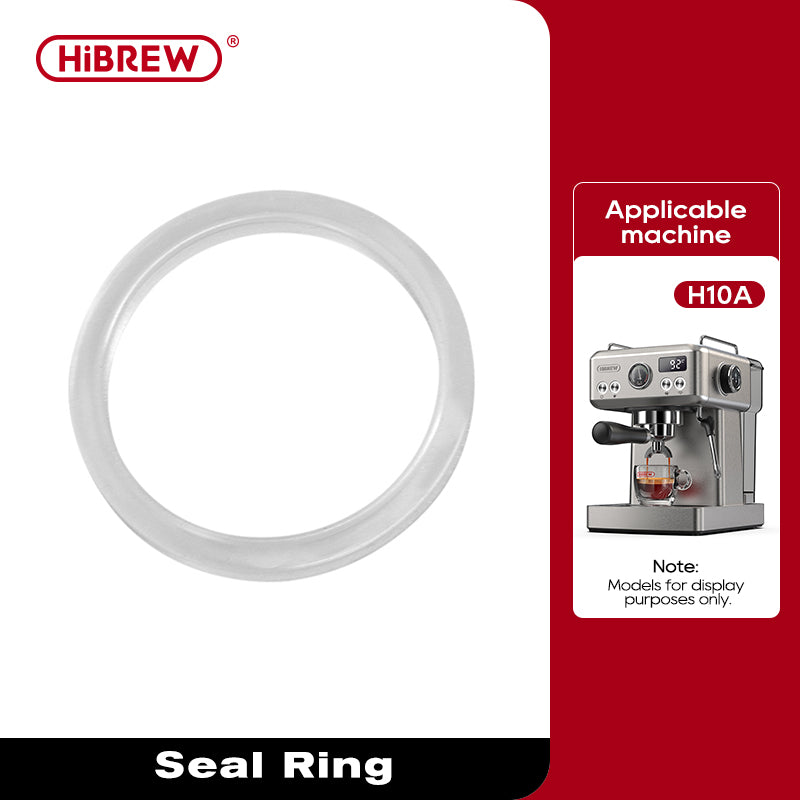
Before purchasing a replacement gasket, make sure you know your espresso machine's group head specifications.
Some machines use the classic E61 group head design, while others require brand-specific or model-specific gasket sizes.
Material also matters. Two commonly used options include:
-
Food-Grade Silicone: Offers good flexibility and heat resistance, making it a popular choice for espresso machine sealing applications.
-
EPDM Rubber: Known for its resistance to hot water, heat, and aging when formulated for the intended operating conditions.
Neither material is automatically better for every machine. The correct dimensions, material grade, hardness, and compatibility are all important factors.
Always choose a gasket that meets your espresso machine manufacturer's specifications.
5. Final Thoughts: Don't Overlook Your Espresso Machine Gasket
Your group head gasket may be one of the smallest components in your espresso machine, but it plays a crucial role in maintaining a reliable brewing seal.
From constant heat and pressure to coffee residue and portafilter friction, this little component handles a lot every time you make espresso.
By cleaning your group head regularly, using compatible accessories, and replacing worn gaskets when necessary, you can help maintain consistent brewing performance and extend the service life of your espresso machine.
Remember: a great espresso shot isn't just about premium coffee beans and a quality grinder. It's also about keeping every small component working as it should.
Take care of your machine, maintain a proper seal, and enjoy better espresso with every shot.




Hinterlasse einen Kommentar
Alle Kommentare werden vor der Veröffentlichung geprüft.
Diese Website ist durch hCaptcha geschützt und es gelten die allgemeinen Geschäftsbedingungen und Datenschutzbestimmungen von hCaptcha.